4 Types of Aerial Work Platforms You Need to Know and Their Uses
Have you ever wondered how window cleaners reach towering windows, or construction workers get to the top floors of buildings? Or even how they store huge boxes of inventory on the top shelves of warehouses? The answer lies in aerial work platforms, also known as mobile lift work platforms. These versatile devices allow for safe and efficient access to elevated work spaces.
This guide explores the different types of aerial work platforms and aerial lifts, their uses, and key considerations for choosing the right one.
There are many types of aerial lifts that can lift work platforms vertically to increase efficiency, and understanding all of their uses will help you better understand their characteristics.
What is an aerial work platform?
Aerial work platformsare mobile machines used to lift workers and materials to perform aerial work. Compared with ladders or scaffolding, aerial work platforms are safe and stable, making them a popular choice in various industries.
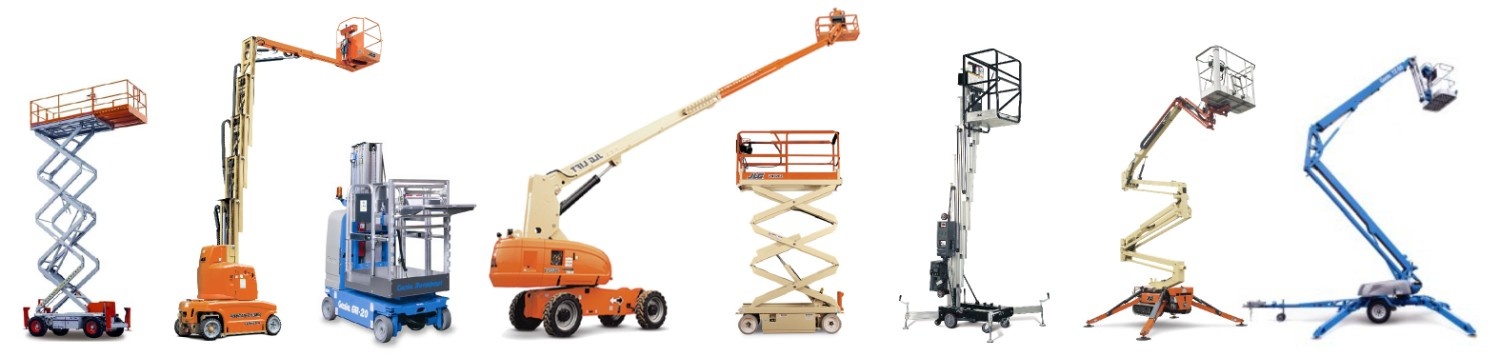
These platforms come in a variety of styles and designs to suit different application needs. The platform is moved vertically, upwards and downwards with the help of a lift.
Aerial work platforms are used for a wide range of purposes. Among the various types of aerial work platforms, the most popular is the scissor lift.
4 Types Of Aerial Work Platforms And Their Uses
1.Truck-Mounted Aerial Work Platform
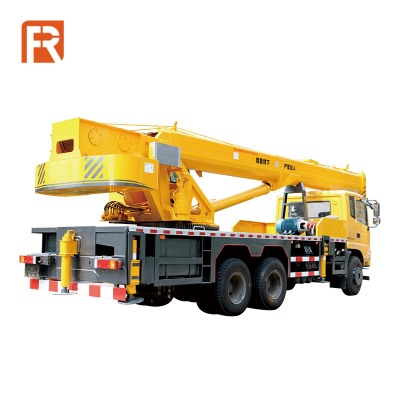
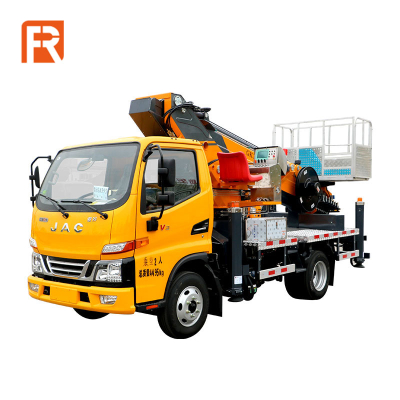
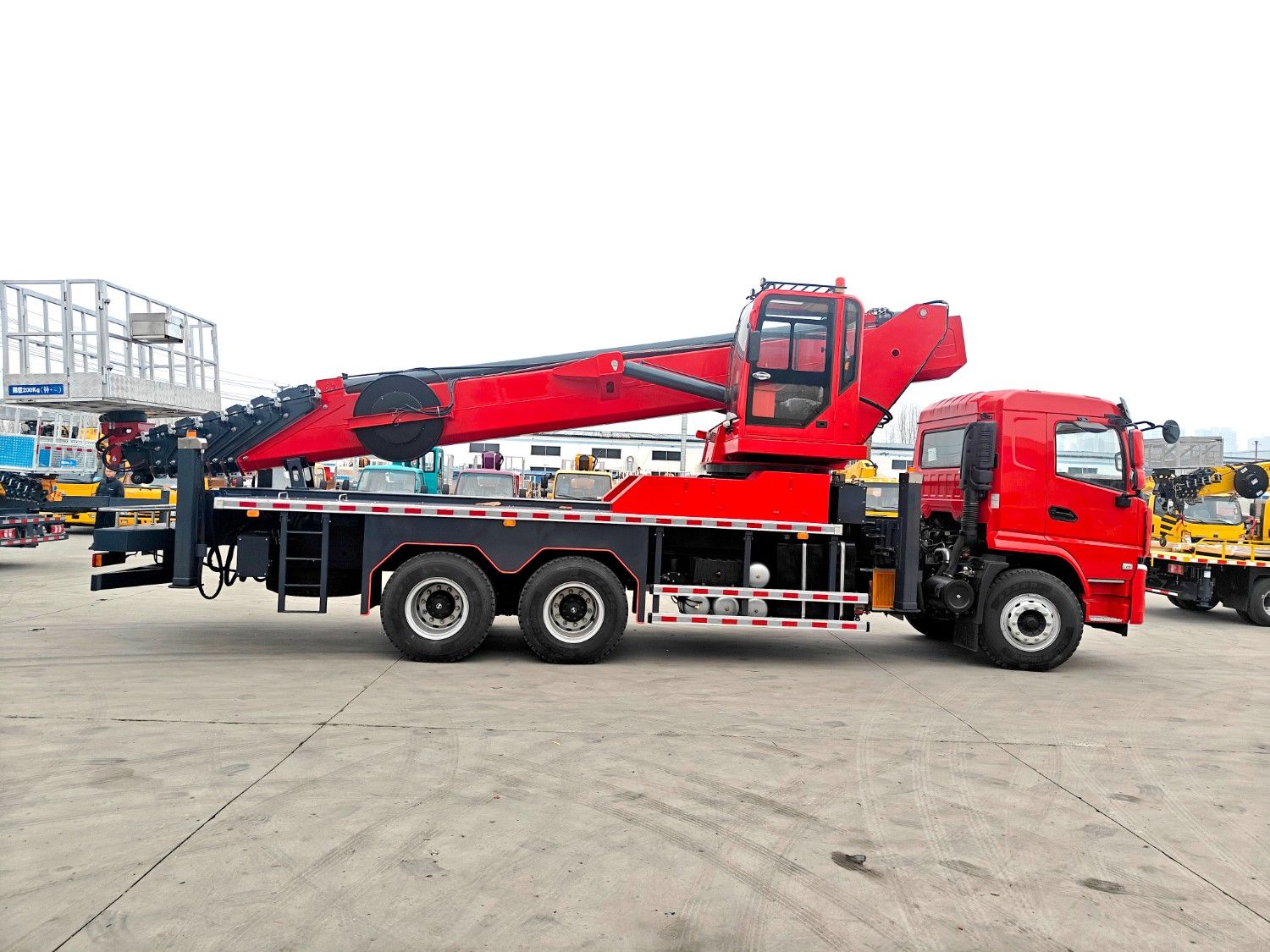
This type of truck-mounted boom lift is usually installed on a truck chassis, so these aerial work vehicles are very convenient to move and transfer.
Truck-mounted boom lifts usually focus on simpler designs for ease of use and transportation. At the same time, the boom of this equipment can be installed on any chassis of suitable size, which is very convenient for importing to some countries where it is not convenient to import complete vehicles.
Because it uses truck power, it does not require an external power supply. At the same time, this type of equipment has a very high operating height. For example, our company's GK60 aerial work vehicle can reach a maximum operating height of 60 meters.
Key Features:
Quick transitions: Self-powered, this equipment is easy to transition, and the one-button deployment feature makes it very convenient to use
Telescopic boom: The main lifting mechanism is usually a telescopic boom that extends horizontally, providing good reach.
Simpler control: Truck-mounted boom aerial work platforms are usually designed for ease of use, and smarter operating systems provide greater convenience
Hydraulic outriggers: To ensure operational stability, truck-mounted boom aerial work platforms are equipped with hydraulic outriggers that can extend outward and level the platform.
Common uses: Due to their portability and affordability, truck-mounted boom aerial work platforms are suitable for a variety of scenarios:
Tree pruning: The compact size and flexible maneuverability make it ideal for navigating the landscape and reaching small tree branches.
Construction sites: For temporary access needs in construction projects, truck-mounted boom aerial work platforms provide a fast and convenient solution for tasks such as electrical work or inspections.
Event setup: From hanging banners to installing lighting equipment, truck-mounted boom aerial work platforms can safely and efficiently reach high places at event venues.
Maintenance tasks: Facility maintenance often requires reaching high places for repairs or cleaning. Truck-mounted boom lifts provide a flexible solution for these needs.
2. Scissor Lifts
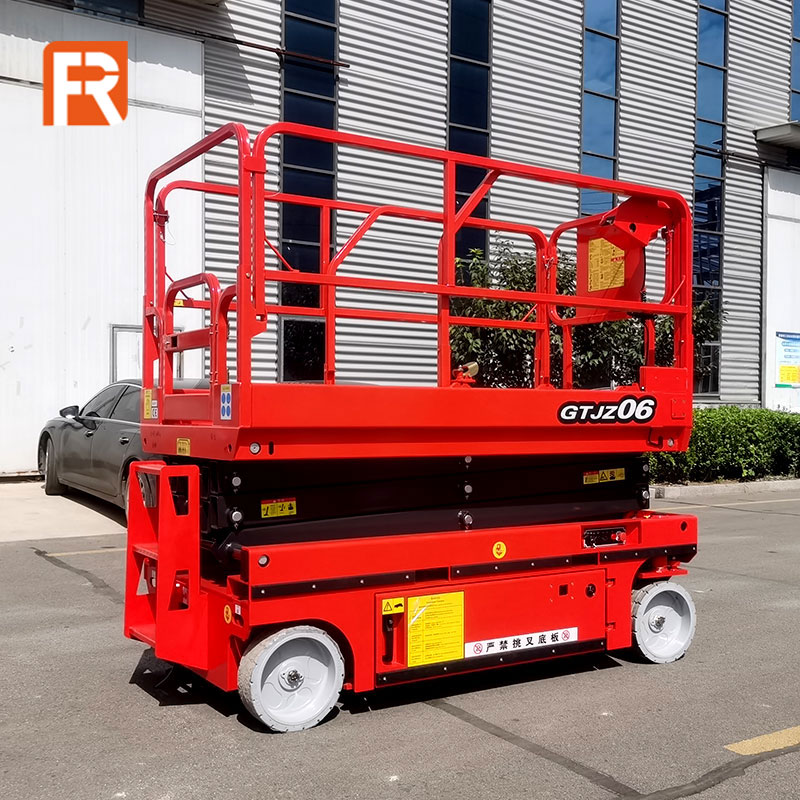
These lifts use a scissor-like mechanism that can be deployed vertically to provide a stable platform for aerial work.
The metal body is foldable and can be folded to different heights. It is capable of carrying a large weight and can carry a large area of the work platform.
Although these scissor lifts can be extended to a considerable height, they do not take up much space when fully folded.
Subtypes: There are many subtypes of scissor lifts that can be applied to different industries based on the needs.
For example, electric scissor lifts are used for indoor applications, while off-road scissor lifts can be used on uneven ground.
Main features:
High lifting capacity,
Spacious platform space,
Excellent stability.
Common uses:
Maintenance of high-rise buildings, high-altitude windows, overhead machinery, etc.
Commercial painting of larger spaces. Sometimes, creative painting also uses scissor lifts.
Electrical engineering in industries and factories.
Installation tasks in warehouses and factories.
3. Boom Lifts
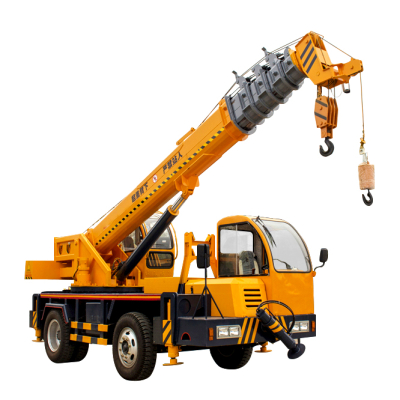
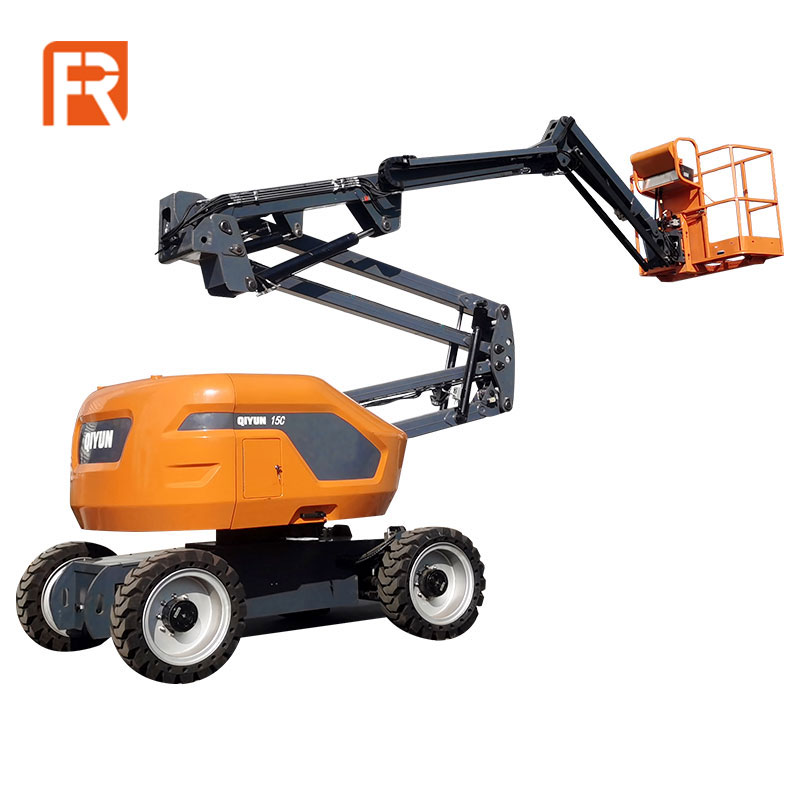
Boom lifts are hydraulically powered, and the hydraulic lifting system makes the work smooth and efficient. Boom lifts are equipped with a retractable and rotatable hydraulic arm to provide a greater range of motion. For many years, articulated boom lifts have been used to perform complex lifting operations.
Subtypes: There are some very common boom lifts in workshops and factories. Some of these subtypes include: articulated boom lifts, folding boom lifts, telescopic boom lifts, etc.
Articulating boom lifts come with a bendable arm to reach over obstacles, while telescopic lifts come with a straight arm for maximum reach to accomplish work at greater distances.
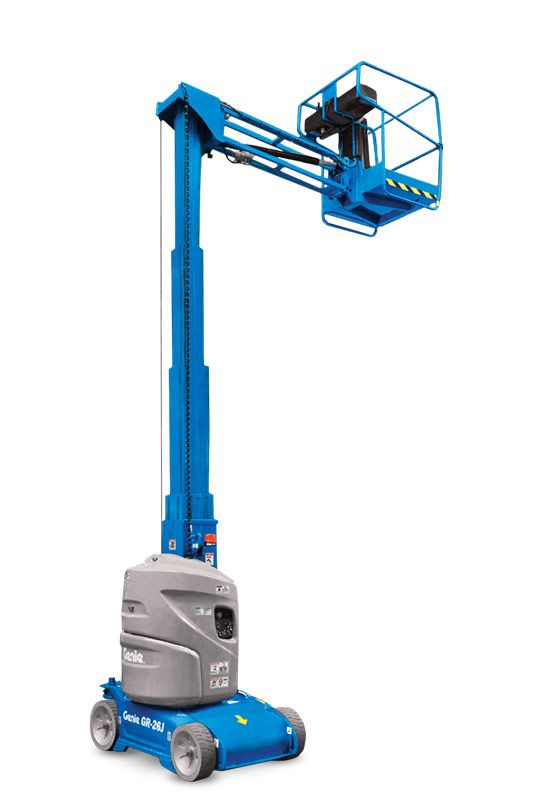
4. Vertical Lifts
Vertical lifts are also known as mast lifts. They rise vertically on a mast, providing a straight up and straight down access solution. Vertical personnel lifts often ensure that even when space is limited, you can work efficiently using the lifting platform.