The Mobile Crane: A Pivotal Force in Modern Industry
In the dynamic landscape of construction, logistics, and various industrial sectors, the mobile crane emerges as a true titan, playing a crucial and multifaceted role. This remarkable piece of machinery has redefined the possibilities and efficiencies in heavy lifting and material handling operations.
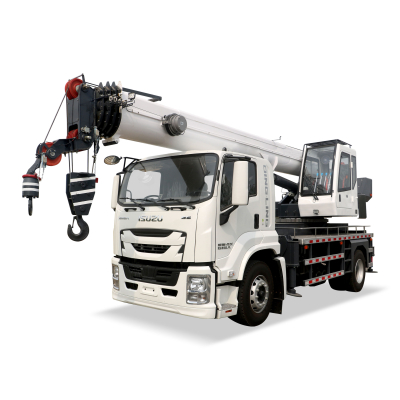
The mobile crane, as its name suggests, is designed with mobility at its core. Mounted on a truck chassis or a specialized carrier, it combines the power of a crane with the ability to traverse different terrains and reach job sites that would otherwise be inaccessible to stationary lifting equipment. This mobility factor gives it a distinct advantage, allowing for quick deployment and relocation, which is essential in time-sensitive projects.
One of the most striking features of the mobile crane is its versatility in lifting capabilities. Available in a diverse range of models and configurations, mobile cranes can handle loads ranging from a few tons to hundreds of tons. Their telescopic or lattice booms can be extended and maneuvered with precision, reaching heights and distances that are necessary for erecting tall structures, such as skyscrapers, bridges, and industrial towers. Whether it’s placing steel girders at great heights during a construction project or loading and unloading heavy machinery in a factory yard, the mobile crane performs with remarkable dexterity.
In the construction arena, the mobile crane is an indispensable asset. It streamlines the building process by facilitating the transportation and installation of building materials. For instance, during the construction of a high-rise building, the mobile crane can lift and position precast concrete panels, HVAC units, and other bulky components with ease. Its ability to move around the site as the construction progresses ensures that the lifting needs are met promptly, reducing construction time and costs.
The logistics and shipping industries also rely heavily on mobile cranes. At ports and freight terminals, these cranes are used to load and unload cargo containers from ships and trucks. Their strength and reach enable them to handle the heavy containers efficiently, ensuring the smooth flow of goods in the global supply chain. In addition, mobile cranes are employed in the installation and maintenance of wind turbines, a growing field in the renewable energy sector. They can lift the massive turbine components to great heights, contributing to the expansion of clean energy infrastructure.
Safety is a top priority when operating a mobile crane. Rigorous training programs are in place for crane operators to ensure they understand the complex controls and safety procedures. These procedures include proper load calculations, maintaining a safe operating radius, and adhering to strict weather conditions for operation. Additionally, modern mobile cranes are equipped with advanced safety features such as anti-collision systems, overload protection, and stability control mechanisms to prevent accidents and ensure the well-being of the operators and those working in the vicinity.
As technology advances, the mobile crane continues to evolve. Innovations in materials, hydraulic systems, and control technology are enhancing its performance, making it more efficient, reliable, and environmentally friendly. For example, some new models are designed with hybrid or electric power systems, reducing emissions and operating costs.
In conclusion, the mobile crane stands as a symbol of human engineering prowess and innovation. Its mobility, versatility, and lifting capabilities have made it an essential tool in modern industry, driving progress and enabling the realization of ambitious construction and logistical projects. As industries continue to grow and expand, the mobile crane will undoubtedly remain at the forefront, adapting and evolving to meet the ever-increasing demands of the global marketplace.